
 Tips
10 December 2025·1 min read
Chair Upholstery Care: Practical Tips
Proper care extends upholstery life 2–3 times. We explain how to clean velour, chenille and eco-leather without damaging the material.
Read More →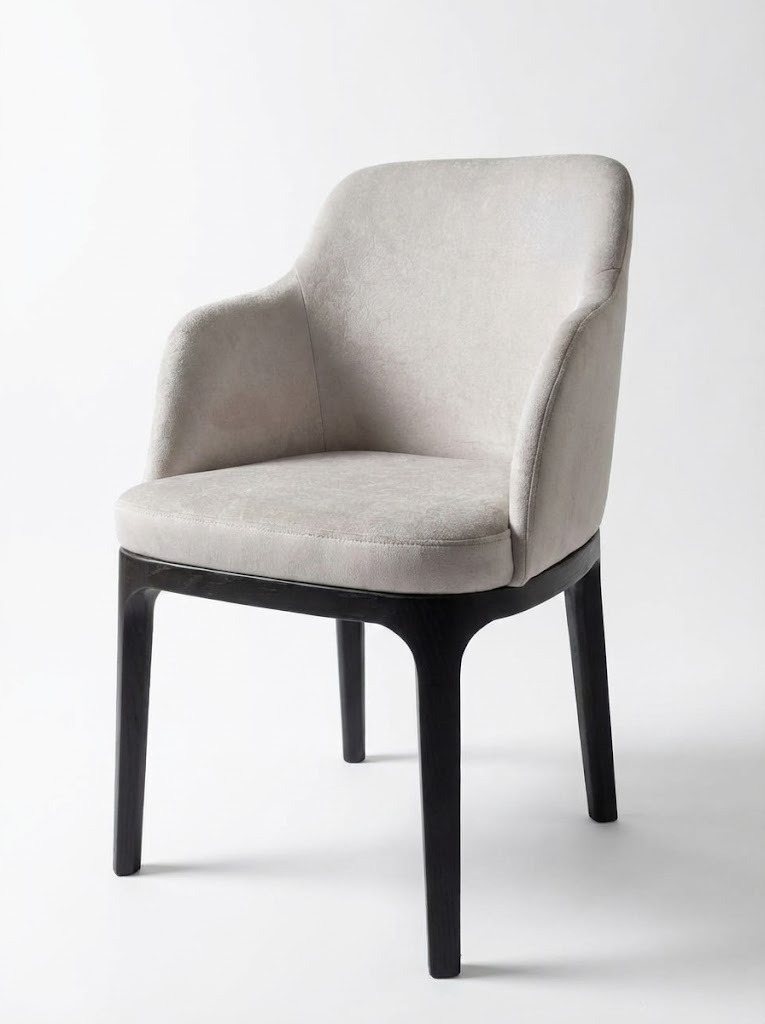
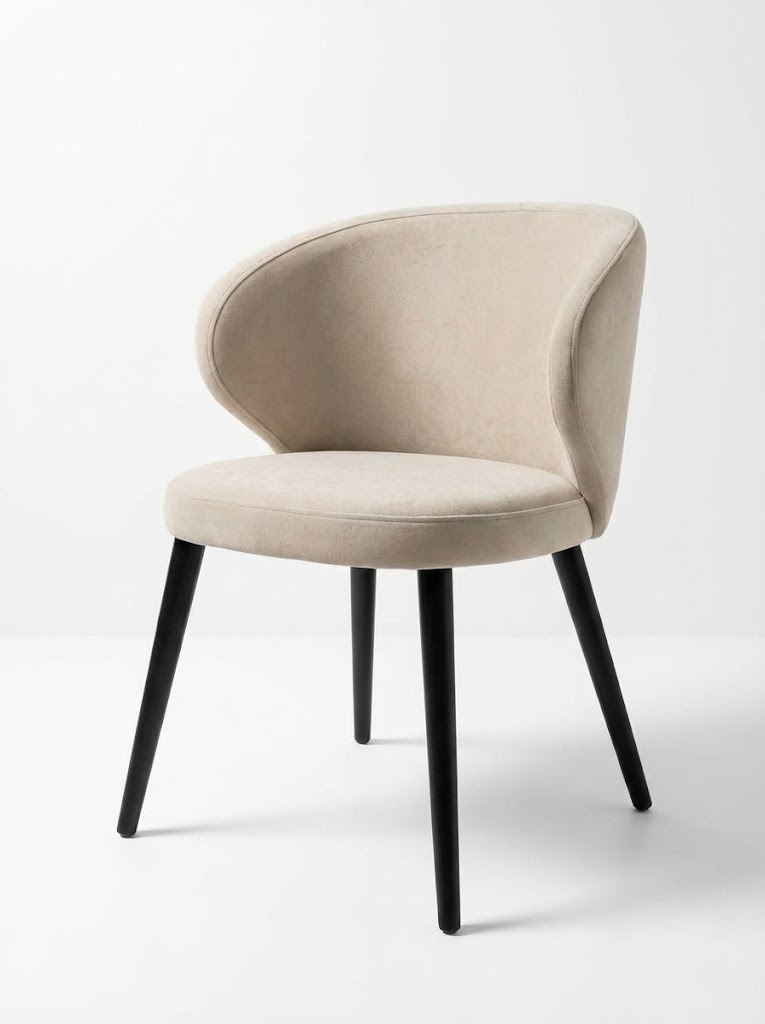
Choosing a dining chair seems simple, but it actually affects the comfort of every meal and the overall look of your dining area. To avoid mistakes, it helps to know a few fundamental rules.
The first criterion is seat height. Standard dining table height is 75–77 cm, so the optimal seat height is 44–47 cm. This allows you to sit with a straight back without tucking your legs or reaching up to the tabletop.
The second is upholstery material. For dining rooms, fabrics with high abrasion resistance (25,000+ Martindale cycles) work best. Velour, chenille and microfibre clean easily and hold their look for years. Avoid natural cotton without a protective coating — it soils quickly.
Third — size and proportion. There should be at least 5–8 cm between adjacent chairs at the table. If you plan 6 chairs around a 160 cm table, make sure each chair is no wider than 48–50 cm.
Fourth — backrest shape. A high back supports the entire spine but takes up more space. A low back looks cleaner and allows easier movement at the table. For daily use, we recommend a medium or high back with lumbar support.
Legs are the fifth criterion. Beech wood legs look warm and natural, fitting well in Scandinavian and classic styles. Metal legs are a more modern option, moisture-resistant and easy to maintain. Powder coating protects metal from scratches and corrosion.
TipsProper care extends upholstery life 2–3 times. We explain how to clean velour, chenille and eco-leather without damaging the material.
Read More →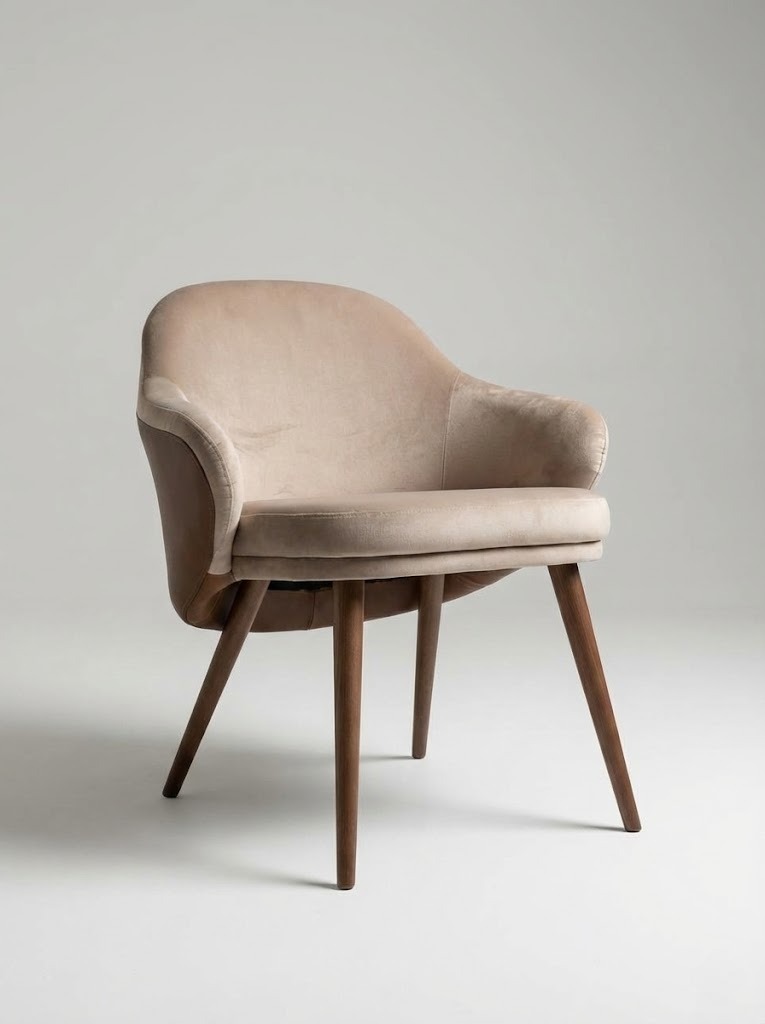 HoReCa
A restaurant chair is not just a decorative element — it's a working tool. We explain what to look for when choosing furniture for a venue: durability, maintenance and ergonomics.
Read More →30+ models of dining chairs, bar stools and armchairs. Free designer consultation.
Your cart is empty